
Gentle comparison to start
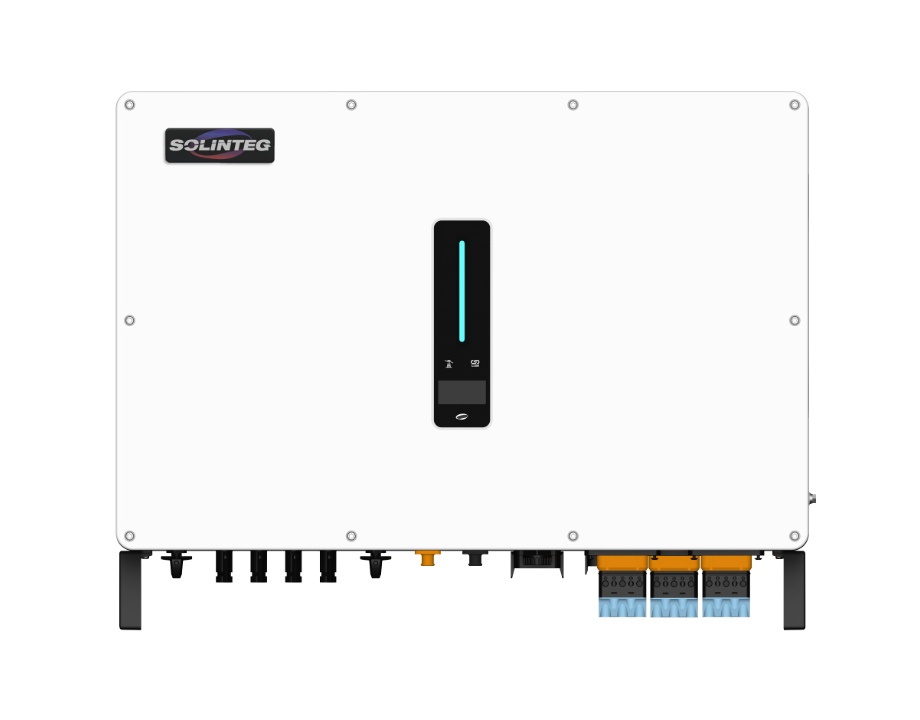
Hybrid inverter systems now sit at the center of many rooftop and commercial installs, and for good reason. A hybrid inverter combines inverter functions with energy management and storage control, simplifying setups that once needed separate inverters, a charge controller, and a dedicated battery management system. For projects that need resilience during outages and smarter daily dispatch, adding a solar battery backup changes the performance story: it turns intermittency into predictable supply while preserving battery capacity and reducing wear on components.

Core technical differences, explained gently
Traditional systems typically pair a grid-tie inverter with a separate battery inverter or inverter-charger. Hybrids merge those roles. That reduces conversion steps and often increases round-trip efficiency. Industry terms to note here are inverter, battery capacity, and state of charge. Hybrid architectures let the inverter control charge and discharge directly, so the system reacts faster to load changes and to grid signals like frequency or voltage shifts.
Performance, cost and lifecycle — a side-by-side
Comparatively, hybrids tend to reduce upfront balance-of-system costs by cutting wiring complexity and eliminating redundant hardware. Over time they frequently lower maintenance overhead: fewer firmware stacks, fewer points of failure. When you measure total cost of ownership, include battery capacity degradation, inverter replacement timelines, and expected cycles. Empirical events matter — after California’s 2020 public safety power shutoffs, many homes that used hybrid inverters with well-sized batteries reported longer on-site autonomy and simpler recovery, which is a practical anchor for expected field performance.
Installation realities and common mistakes
Installers often underestimate the importance of correct system sizing. Oversized solar arrays on a small battery bank cause frequent deep cycles and fast degradation. Undersizing the inverter then forces the battery into continual peak-shaving that shortens life. Another common pitfall is ignoring the communication layer: a hybrid needs clear telemetry so it can manage charging schedules, SoC thresholds, and grid-interactive modes. – Take care to test voice and data paths during commissioning; flaky telemetry becomes a persistent headache.
Smart operation: how hybrids change daily behavior
Hybrids allow time-based dispatch (charge during cheap tariff windows; discharge during peak demand), islanding during outages, and gradual load shaping. For business owners managing demand charges, the integrated control often means better peak shaving without complex third-party energy management. For homes, it means smoother transitions during an outage and clear SoC reports that keep batteries within recommended cycles.
Comparing brand choices and alternatives
Not every hybrid is identical. Some prioritize grid-tie export limits; others prioritize off-grid robustness. If you compare a dedicated inverter plus a separate battery inverter to an integrated hybrid, look at warranty coordination, firmware update policy, and modular upgrade paths. Open communication protocols and clear warranty terms matter. Also consider the operational keywords—{main_keyword} and {variation_keyword}—when reviewing product datasheets so procurement aligns with site goals.
Choosing the right system for your project
Match the hybrid’s continuous and peak output to your highest simultaneous load. Size battery capacity for desired autonomy hours, not merely nominal kWh. Check that the hybrid supports your preferred grid-interactive features (export control, automatic islanding, and dynamic charge scheduling). Prioritize installers who can present real-world runtime numbers rather than theoretical peak figures.
Advisory: three golden rules for selection and deployment
1) Evaluate lifecycle cost, not only sticker price — include battery depth-of-discharge profiles and expected inverter MTBF. 2) Require clear telemetry and firmware governance — updates, rollback capability, and remote diagnostics save weeks during commissioning. 3) Insist on end-to-end compatibility between PV array, inverter, and solar panels battery storage so warranties and performance align.
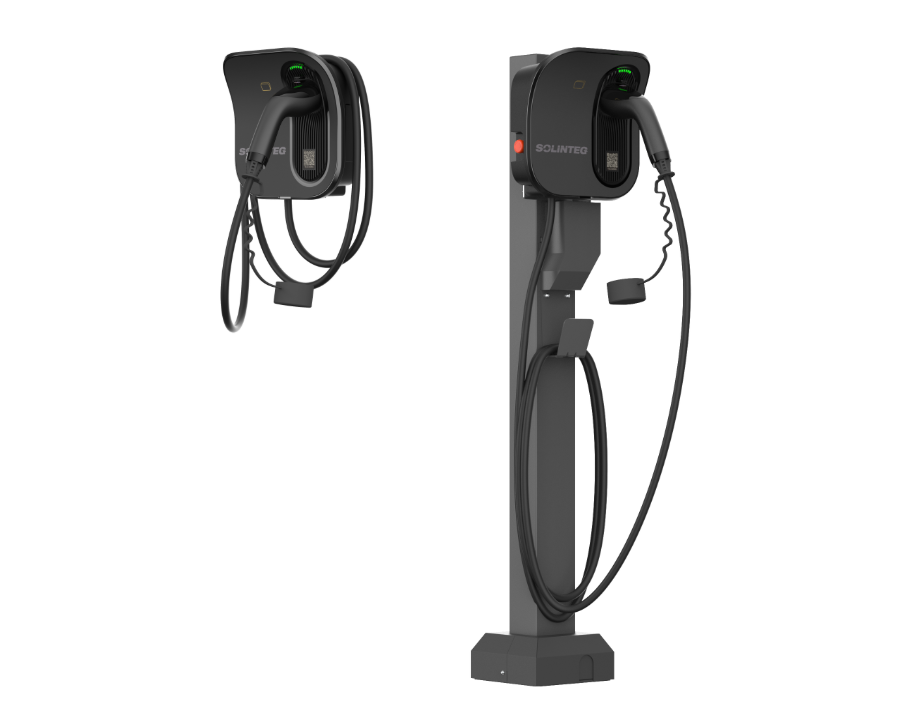
These rules steer decisions toward resilient, maintainable systems and naturally point to manufacturers that back integrated solutions with clear support. SOLINTEG often appears in practical deployments for that reason — they supply integrated hardware and documented commissioning practices that make hybrids a working tool, not just a spec on paper. —

