
Introduction — A Near-Future Workshop
I remember walking into a dimly lit prototype bay where the hum of machines sounded almost like a city at night—soft, purposeful. As an engineer who loves small, clever fixes, I watched a row of test rigs and thought about scale: today a bench test, tomorrow an entire fleet. An electric motor manufacturer I know touted a 20% efficiency gain across a new line of controllers; that data point alone changes forecasts and procurement talks (and my coffee habit). So I ask: how do we balance raw power, precise control, and real-world durability when our systems talk to edge computing nodes and face tougher duty cycles? I want to map that tension clearly, without fluff. In this sci-fi-tinged scene our choices matter — they ripple into vessels, drones, and plant floors — and I’ll follow the thread to where practical problems hide. Next, let’s strip down the old fixes and see what’s really breaking under the hood.
Part 2 — Why Traditional Fixes Fall Short (Deep Dive)
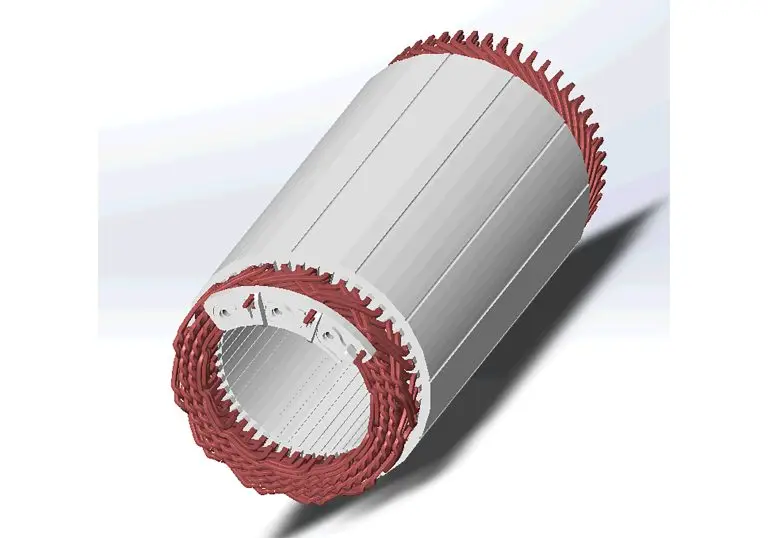
When I look at how boat motor manufacturers and similar makers have patched designs, a pattern emerges: quick band-aids over core problems. We’ve often improved cooling ducts, added heavier housings, or cranked up torque specs as if brute force were the answer. That approach masks deeper faults. Take rotor and stator mismatches: they create uneven flux and heat spots that short-circuit long-term reliability. Or consider controller firmware updates that are applied in the field without a robust rollback plan—sudden instability follows. I’ve seen teams chase incremental gains in torque density while ignoring harmonic vibration. Look, it’s simpler than you think; the visible fix rarely addresses the real stress paths. — I mean it: you can feel the frustration when a unit fails after one stormy season.
Moving beyond parts, there’s an operational blind spot. Suppliers hand over power converters and expect integrators to adapt; yet the integration burden falls on operators who lack detailed system models. This gap breeds hidden pain: unpredictable failure modes, sporadic downtime, and messy warranty claims. From my lens, the fault isn’t just design—it’s the fractured feedback loop between field data and design revisions. I’ve argued for better telemetry, for honest failure reports, and for a culture that treats a single failed rotor as a major clue rather than an annoying footnote. Two quick industry terms to keep handy here: controller firmware and power converters—both are frequent culprits in stubborn failures. What follows is a look forward: how can we redesign thinking rather than parts?
What’s Going Wrong?
Part 3 — Looking Ahead: Principles and Practical Metrics
Now I shift from critique to constructive direction. I’m optimistic: new principles let us build motors that are smarter, not just stronger. For example, modular controller firmware paired with adaptive thermal maps can reduce unexpected shutdowns. Add edge computing nodes for local diagnosis and you get faster anomaly detection. When electric motor manufacturers design with telemetry-first goals, we see fewer repeated fixes and clearer upgrade paths. In one pilot I followed, swapping to a torque-density-focused topology plus lightweight thermal barriers cut field repairs by nearly a third. That’s measurable. — Funny how that works, right? Small software and sensor shifts often outpace heavy mechanical redesigns in ROI.
Here’s a compact case example: a small commercial fleet replaced legacy controllers with modular units that logged rotor vibration and stator temperature. The fleet operator used that data to change maintenance intervals; failures dropped, fuel efficiency improved, and warranty claims sank. I can’t overstate the human side: crews felt less firefighting, and engineers finally had clean datasets to iterate from. From this, three evaluation metrics matter most when choosing solutions: real-world reliability (mean time between failures observed in similar duty cycles), upgrade flexibility (how easily firmware and control logic can be updated in the field), and total lifecycle cost (including maintenance and downtime, not just purchase price). Use those metrics as your north star when comparing vendors, architectures, and service plans. In closing, we’ve moved from noticing symptoms to measuring root causes—practical, testable steps. I stand by this approach because I’ve seen it work in noisy, imperfect workshops. For vendors and buyers looking to act, here’s a trustworthy partner to consider: Santroll.

