
Introduction: A Small Morning Mess That Reveals a Big Choice
You twist open your moisturizer on a busy morning, and a thin ring of cream smears the rim—again. The acrylic cream jar sits pretty on the counter, but the hidden details decide whether your day starts smooth or sticky. In recent audits, packaging misfits account for a surprising share of product complaints, and acrylic cream jars are often the fix when designed right (not just pretty). So, here’s the question: are those tiny parts—threads, liners, wall thickness—actually the reason your formula stays fresh? Or not?
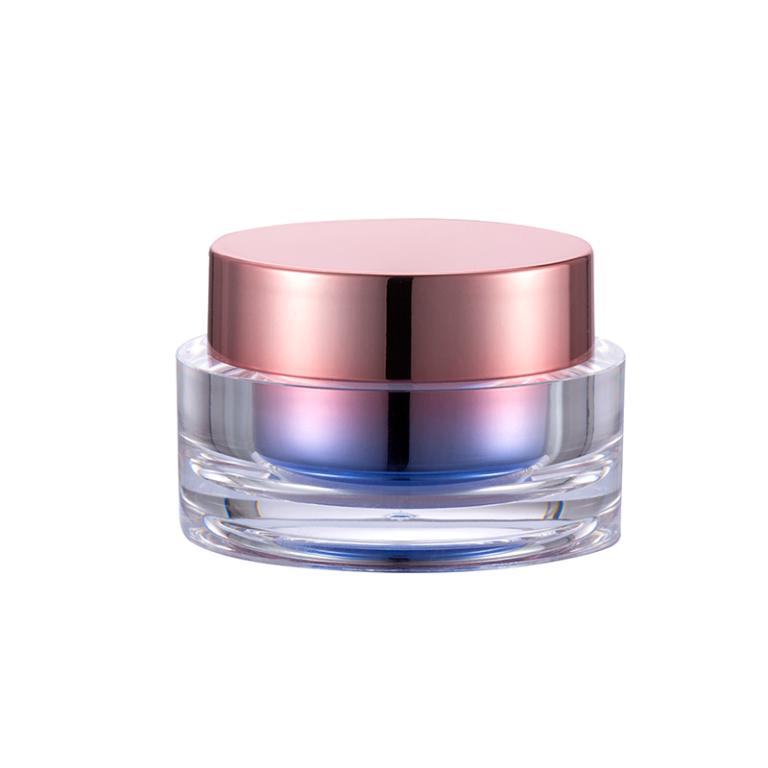
Let’s look at the trade-offs. The goal is simple: keep cream safe from light, air, and slips—without turning your vanity into a cleanup zone. Yet many brands still treat jars as décor, not devices. That’s risky. Data from line trials shows that small cap tolerances and poor torque control can drive leakage events, even before shipping. And if you’ve ever seen a jar haze after a month, you know UV exposure is not a myth—funny how that works, right? Ready to unpack what’s really going on behind that glossy shell? Let’s move to the root causes.
The Hidden Pain Points That Sabotage Everyday Use
What’s the real leak?
Technical reality first. Most failures come from three culprits: air ingress, cap instability, and surface wear. Air ingress raises the oxygen transmission rate (OTR), which can dull actives like retinol. Cap instability shows up as poor gasket compression set and misaligned thread pitch; that’s where you get rim smear. Surface wear? Micro-abrasions lower clarity and invite haze under bright light. Add perfumes with strong solvents and you risk stress cracking—especially if UV inhibitors are weak or missing. Look, it’s simpler than you think: match the formula’s behavior to the jar’s geometry and materials, or you’ll chase leaks forever.
Now the user side. Hands are wet, caps get over-torqued, and shelves are crowded. If the jar lacks a grippy base or the cap’s knurling is shallow, slips happen. If the inner liner is too stiff, it bites; too soft, it floats. Both waste product. And when the wall is thin near the shoulder, a drop can spider-crack the collar. Traditional fixes—thicker walls, generic liners—often add weight and cost without addressing the cause. Better to tune injection molding parameters, control tolerances, and specify a cap-liner pairing that survives real life (not just lab benches).
Comparing What’s Next: Materials and Mechanisms That Actually Help
What’s Next
Forward-looking design leans on new technology principles. Co-molding a clear outer wall with a tougher inner cup reduces OTR while keeping premium clarity. A soft-seal liner with defined durometer resists compression set, so your torque testing holds from filling line to bathroom shelf. Add a micro-textured base to raise surface friction, and you cut slip risk on humid counters. UV blockers in the resin—not just in the masterbatch—preserve color stability. Anti-scratch coatings lift surface hardness, so haze stays low after abrasion. Even small features matter: a cleaner thread lead-in prevents cross-threading, and an optional tamper-evident band signals integrity without bulky shrink bands (nice when sustainability targets kick in).
Real-world sourcing also improves outcomes. An experienced acrylic cream jar supplier in china can qualify PCR resin blends, validate REACH compliance, and balance MOQ against tooling lead time. That’s how you avoid the old trade-off where “premium” means heavy and fragile. Instead, you get light yet durable shells, stable caps, and liners that match the formula’s viscosity. We’ve moved from guessing to parameters: torque retention curves, liner creep data, and color delta after UV cycles. Different story. Better results—because precision beats padding.
Here’s the bottom line, without repeating ourselves. The mess you see (leaks, haze, scuffs) usually starts in places you don’t see: OTR, liner geometry, cap torque, and resin chemistry. New builds solve those with smarter layers, tighter tolerances, and verified material specs. For choosing your next jar, use three practical metrics: target OTR suited to your actives; torque retention after 24 hours and again at 30 days; and surface hardness plus haze delta after standard abrasion testing. Keep it simple, measurable, and repeatable—then scale. And if you need deeper spec sheets or a sanity check on your drawings—well, that’s what partners are for, right? See NAVI Packaging for technical references and baseline test plans.

