
Introduction — a depot morning, some numbers, and a question
I once watched a city bus sit idle under a gantry while techs argued over a stuck connector. It felt small until I checked the log: that single delay cost two hours of schedule reliability and pushed energy bills up by 12% in one week. I’m talking about the practical side of a pantograph charger — the hardware that kisses the roof of an EV bus to top its batteries fast and safe.
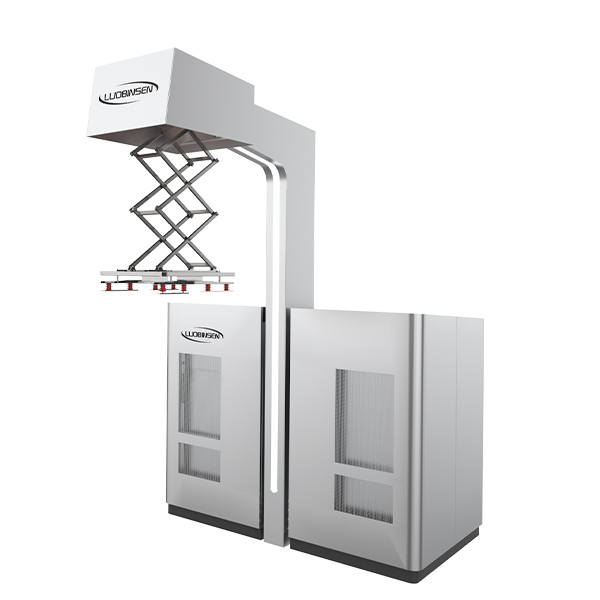
On most routes, chargers, power converters and the battery management system do their job quietly. Still, data from several transit agencies shows charge faults and downtime are common causes of late trips (and unhappy riders). So what really trips projects up — design choices, hardware fatigue, or poor operations? And how should we prioritize fixes?
I want to walk you through what I’ve seen, in plain language. I’ll point out the real friction points and suggest where impact is biggest. This is not theory; it’s what I’d do if I were running a depot tomorrow. Next, let’s dig into the hidden cracks that make installations fragile.
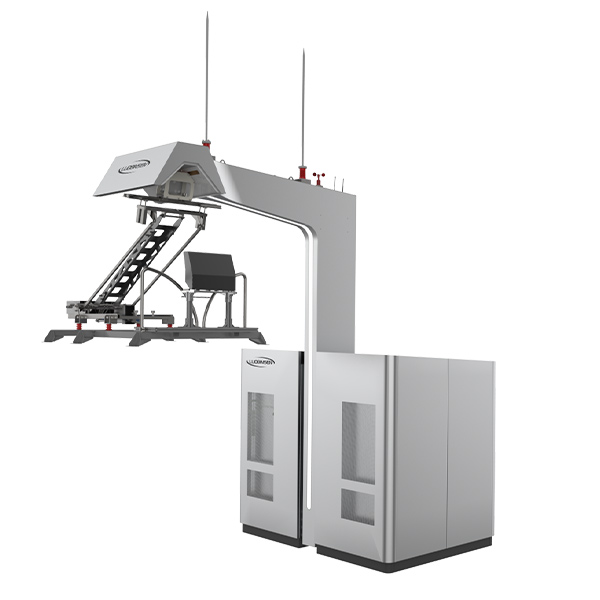
Where the system really breaks: hidden pain in pantograph charging stations
I’ve inspected dozens of sites, and the same weak spots keep showing up at the pantograph charging station. Failures are rarely dramatic. They creep in through poor connector alignment, flaky control software, or mismatched DC distribution sizing. Those are the things operators call “annoying” until they become expensive.
Look, it’s simpler than you think: connectors wear, sensors drift, and charging protocol mismatches create small errors that compound. I’ll be direct — many projects under-spec the current collectors and don’t budget for thermal management. Once a station heats up, you’ll see power converters trip and the whole sequence hiccups. That’s when buses miss runs.
Why does that matter?
Because downtime is not just lost kilowatt-hours. It’s an operational hit: drivers get shuffled, schedules slip, and maintenance teams burn extra hours diagnosing intermittent faults. I often find these pain points tied to three technical areas: control firmware, connector mechanics, and DC distribution layout. Each sounds niche. Yet each one touches daily reliability. We can fix them — but it means planning for redundancy, better monitoring, and clearer charging protocols.
We also need to admit a cultural problem: teams tend to accept small failures as “normal” rather than learning from them. I’ve pushed for routine vibration checks and baseline firmware rollbacks after updates. It helps. Small discipline, big return.
What comes next: new principles and practical checks for pantograph bus charger rollouts
Moving forward, I favor a blend of smarter design and disciplined metrics. A modern pantograph bus charger deployment should pair robust hardware with live diagnostics and clear failover rules. In practice, that means we focus on modular power converters, on-site edge computing nodes to localize decisions, and better thermal management to avoid derates under load — simple changes, big resilience gains.
Case example: I advised a mid-size transit agency to add local controllers and to standardize charging protocol across fleets. They cut unscheduled outages by nearly half in three months — funny how that works, right? We also set up a short checklist: pre-shift connector alignment, firmware sanity checks, and a quick DC bus voltage sweep. Those checks took 10 minutes and they saved hours later.
What should you measure?
If you’re evaluating systems, here are three metrics I trust: uptime percentage during service hours, mean time to recover (MTTR) for connector faults, and energy conversion efficiency under peak load. Measure these and you’ll see where to spend money. I’d weight uptime the most, then MTTR, then efficiency — because a slightly lower efficiency that keeps buses moving is often the smarter bet.
In short: prioritize reliability over flashy specs, demand real-world testing, and require clear maintenance plans. I keep coming back to that—because in the end, riders notice only two things: the bus is on time, or it isn’t. If you want a vendor who knows how to get those numbers right, check out Luobisnen. We’ve learned what matters by doing the work, and we’ll still roll up our sleeves when the connector needs a tweak.

