
Introduction — a hard question to start with
Have you ever paused on the factory floor and wondered why a small snag can halt a whole shift? I have, many times; the sight of a halted conveyor still sticks with me. A wet tissue machine sits at the heart of many lines and yet, despite heavy investment, downtime figures remain stubborn — recent shop-floor audits I read showed unplanned stops account for up to 18% of lost run-time in mid-sized plants. (That was a shock.)
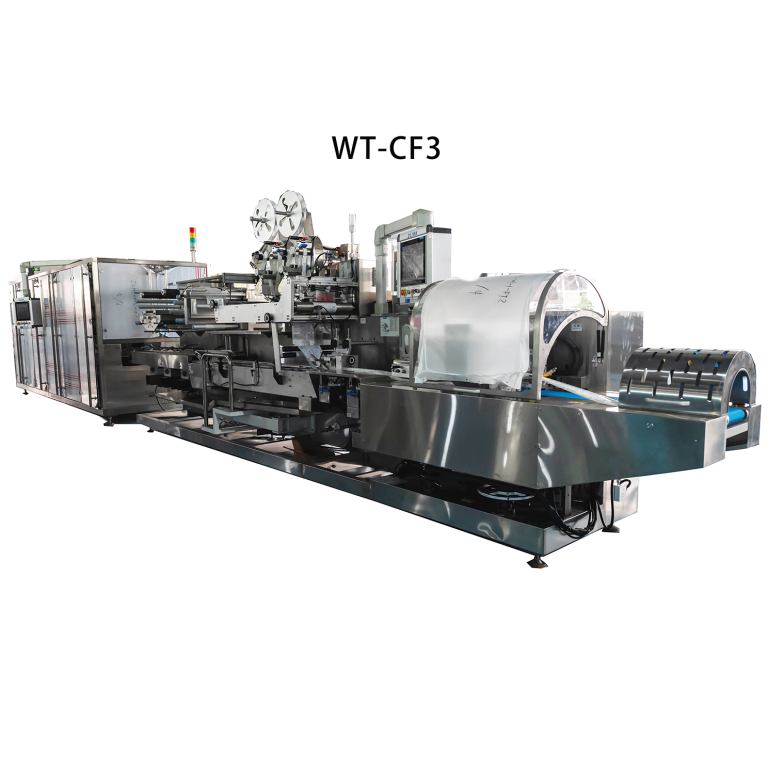
When I talk to operators, maintenance engineers and plant managers across India, a pattern emerges: complexity was supposed to bring reliability, but often it brings confusion instead. We see PLC alarms that nobody reads properly, servo motors tuned beyond necessity, and moisture sensors ignored because they trigger frequent false positives. So the question is simple: how can we shift from “more features” to “fewer failures”? Let us explore the common traps and find practical fixes — and then move on to where the real pain lies.
Where traditional wet wipe solutions fail: a technical look
wet wipe solution vendors often present long feature lists, yet the trouble starts when features interact poorly with shop-floor realities. I’ve seen lines with advanced rotary cutters and high-speed packaging line setups that were never tuned to local water quality or staff skill levels. The result: frequent jams, torn packs and inconsistent wetting. In technical terms, overcomplicated control loops on the PLC and oversensitive moisture sensors lead to oscillations, and those oscillations manifest as scrap. Look, it’s simpler than you think — but only if you remove unnecessary control layers and focus on core reliability.
Why do these failures repeat?
First, manufacturers mix advanced automation (servo motors, edge computing nodes) with old mechanical designs; they don’t always test the integration under real load. Second, spare-part strategies are weak — a specialised cutter or a rare power converter can be out of stock for weeks. Third, training is an afterthought: operators are expected to learn dozens of alarms instead of mastering a few essential interventions. I personally favour pragmatic design: keep tension paths straightforward, standardise on common components, and simplify HMI messages so the team acts fast. That reduces mean time to repair and makes quality steadier — no magic, just disciplined engineering.
Future outlook: pragmatic upgrades and three metrics to choose by
Looking ahead, I see two useful routes — incremental upgrades that fix known pain points, or a fresh start with a modular wet wipe solution that prioritises uptime. In my view, the best gains come from modest investments: better moisture sensors calibrated to local conditions, improved tension control on the feed rollers, and clearer PLC ladder logic comments so technicians understand behaviour at a glance. These are not glamorous, but they cut faults measurably. — funny how that works, right?
What’s Next: practical steps
We should evaluate new systems on three clear metrics. First, mean time between failures (MTBF) — does the change extend continuous run-time? Second, spare-part commonality — how many unique parts are required and how quickly can they be sourced? Third, operator cognitive load — can a floor operator diagnose and fix the top three alarms within ten minutes? I recommend trial runs on a single packaging line before wider roll-out; that will surface integration issues without risking the whole plant. I’ve used this approach myself and seen scrap drop, output rise and morale improve slightly — that matters to me.
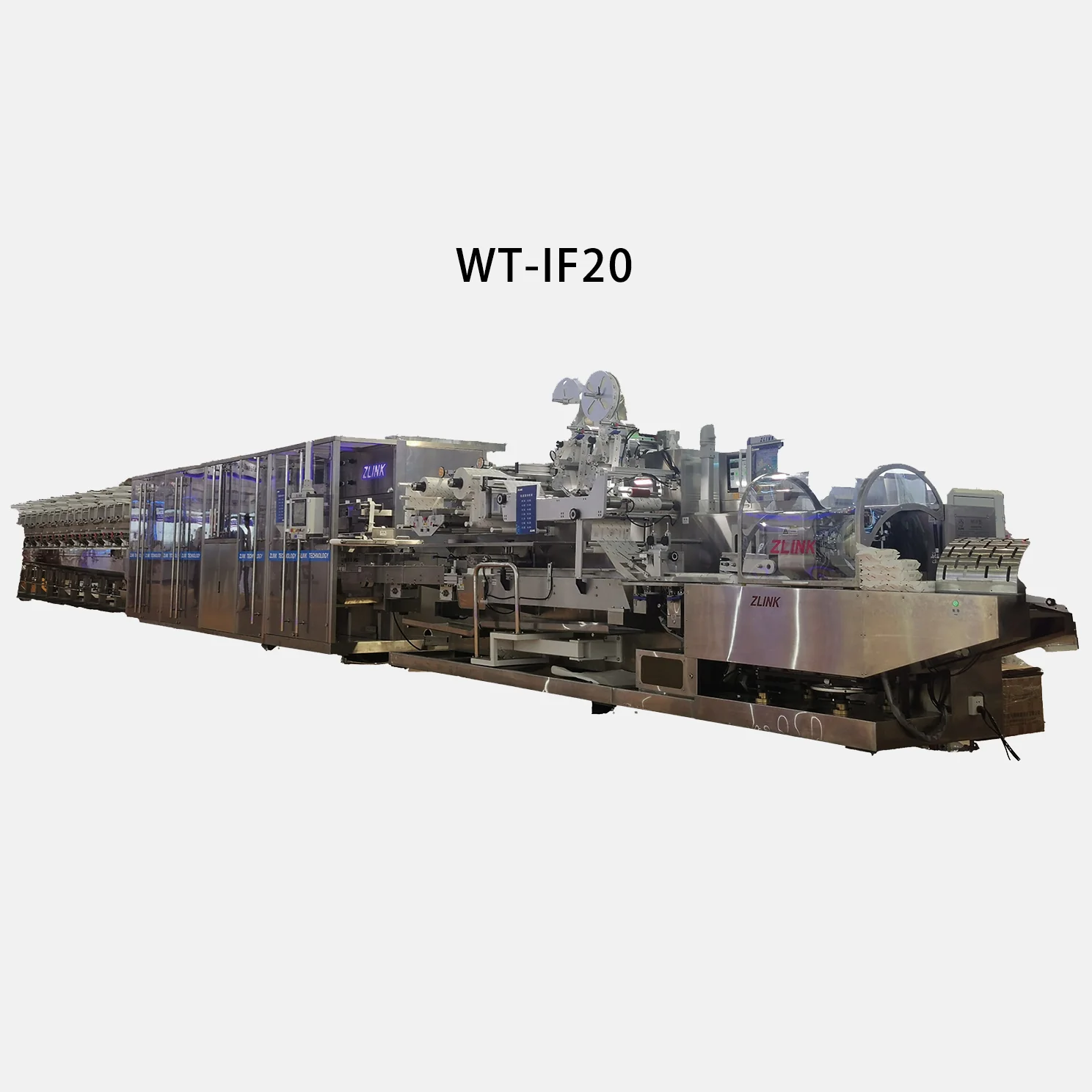
In short, I believe simpler wet tissue machines that focus on robust mechanics, clear controls and local-fit calibration win more often than feature-rich but brittle systems. If you measure the right things and keep the system comprehensible, you get reliability. For practical solutions and a partner that understands these trade-offs, consider talking to ZLINK.

