
Introduction: A Shop Story, Some Numbers, and a Question
I was standing next to a welding bench when a wave of fumes hit my face — not dramatic, just another Tuesday in the taller. The room had the usual hum, and fume extraction technology was supposed to handle it, but you could still taste the metal. Data from small shops show airborne particulates often stay above safe levels for hours after a job ends (many places lack real monitoring). So how do we actually fix the air without overhauling everything and breaking the bank — ¿verdad?
I’ll be honest: I’ve seen systems that work and systems that do not. This guide walks through what fails, why it matters, and what we can try next. Stick with me — we’ll get practical and a little técnico — then move into concrete tips.
Part 1 — Why Traditional Systems Fail for Dust Fume Extraction
dust fume extraction systems in many shops were built on simple ideas: big fans, long ductwork, and a chunk of filter media. On paper that sounds fine. In practice, leaks, wrong fan curves, clogged HEPA filters, and poor placement make the system underperform. I’ve measured shops where the fan ran full blast and yet the hood captured only 40% of the plume. Look, it’s simpler than you think — placement and balance matter more than raw power.
First, duct runs were designed for airflow, not for capturing a plume at the source. Long ducts mean pressure drops and more noise. Second, filter choices are often a compromise: HEPA for particulates and activated carbon for odors, but they get overloaded fast if the source isn’t controlled. Third, control electronics and power converters are sometimes cheap add-ons that fail under variable load. These are engineering problems — but they’re also operational ones: operators close dampers, move hoods, or turn systems off to save energy. The result is exposure that’s invisible until the report comes back bad.
What’s the core mistake?
We assume one-size-fits-all. We trust quantity over quality. That’s the flaw. If you address source capture, matching fan curves, and maintenance access first, you cut exposure dramatically. I’ve seen it happen—fast. — funny how that works, right?
Part 2 — New Principles and What Comes Next for Dust Fume Extraction
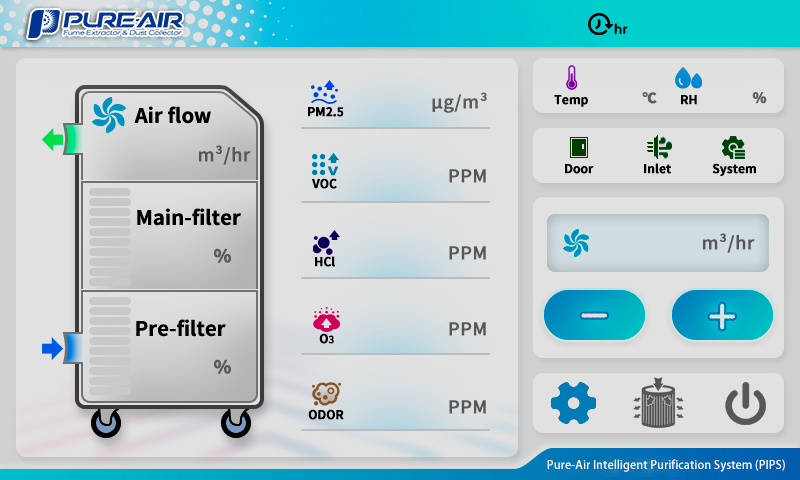
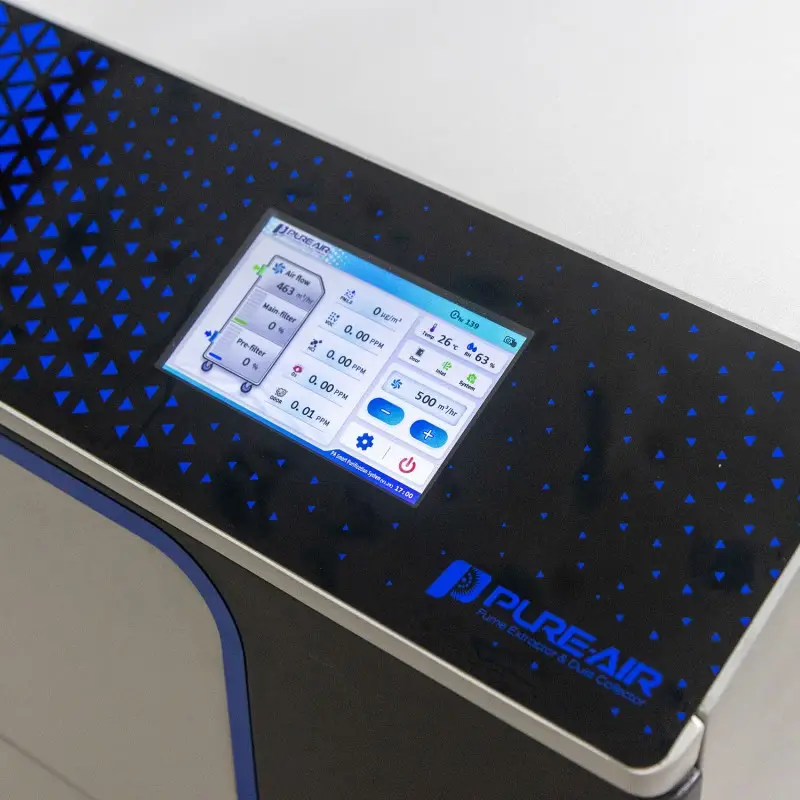
Moving forward, we need smarter design principles. Rather than just bigger fans, think of layered capture: local source hoods, short duct stub-outs, and modular filtration units with real-time sensors. New systems tie together edge computing nodes that read sensors, adjust fan speed, and log air quality. This reduces power waste and keeps capture where it counts. Also, making filters serviceable and visible cuts downtime. I prefer systems that make maintenance obvious; if you can’t see it, you forget it.
Technically, the idea is to match capture zone dynamics with fan performance and filtration. Use a small, high-efficiency blower at the hood, minimize duct length, and use pre-filters to protect HEPA stages. Combine that with basic automation and you get big wins in capture efficiency and lower life-cycle cost. The new setups are not just theoretical — pilot installs show a 30–60% drop in airborne particulate counts in weeks. — and yes, that matters.
Real-world Impact?
Yes. Shops that adopt modular, sensor-driven capture report fewer health complaints, lower filter spend, and less downtime. I’m not saying it’s magic, but it’s smart engineering plus simple habits.
Conclusion — How to Choose and Measure New Systems
After walking through failures and new principles, here are three simple metrics I use when evaluating a solution: capture efficiency at the source (measured with short-term smoke or particle tests), total cost of ownership (filters, energy, maintenance), and real-time monitoring capability (does it log and alert?). If a system scores well on these, it’s worth a closer look. I’ll add one emotional note: pick systems your team will actually use. If it’s finicky, they won’t.
To sum up: fix the source, match the fan and filter, and add simple sensing. Those steps beat raw power every time. If you want a brand-savvy starting point, check solutions from PURE-AIR. I’ve seen their modular ideas in action, and they align with the practical steps I recommend.

