
Introduction — a barn at dawn
I remember walking into a broiler house one chilly morning and feeling the lights were just off. The birds were restless; feed lines moved slower than usual. Broiler lighting was the first thing I checked, because light drives behavior and growth in ways that still surprise me. Data from small farms to larger operations show lighting tweaks can change feed conversion and uniformity by noticeable margins (5–12% is common in my notes). So—what do you do when the flock signals something is wrong with the lights? I’ll share what I’ve learned over decades, one practical check at a time. Let’s move from that barn doorway into the details.
I speak plainly because I’ve seen good setups and bad ones. Simple fixes often get missed. You don’t need grand systems to make steady gains. I’ll point out the signs, the low-cost checks, and a few technical items to watch (LED drivers, dimming protocols). By the end you should feel confident to spot a problem early and act before the house loses production. Now we’ll dig into where most fixes fail and why.
Why many traditional fixes fall short
broiler lighting program rollouts often focus on bulbs and schedules, and that is only half the battle. I’ve seen farms swap lamps and leave the same drift in behavior. The deeper causes hide in control logic, wiring voltage drops, and mismatched fixtures. When installers treat lighting like a simple on/off job, they miss complex interactions: spectrum control matters for activity timing; power converters can introduce flicker that birds feel; edge computing nodes can misinterpret sensor inputs. Look, it’s simpler than you think — but it takes a careful checklist to reveal the trouble.
What’s being missed?
Most teams check lux and call it a day. But lux only measures quantity, not quality. A faulty LED driver or poor dimming protocols can create subtle flicker or a color shift that flushes birds out of rhythm. Wiring lengths cause voltage sag. Sensors may sit in dead zones. You need to test the control chain: fixture, driver, controller, sensors. I recommend a short audit: measure voltage at the fixture, note any unusual heat at drivers, and log light spectrum across a day. Those steps catch steady errors that look like random bird behavior.
Also, user pain is often human. Managers get reports that chicks are peeping more, feed intake is odd, or uniformity drifts. They blame feed or ventilation first. Lighting is an easy scapegoat — yet I’ve fixed many of those reports with wiring fixes or a firmware update on the controller. Small farms and big houses both suffer from the same blind spots. Don’t overlook the control firmware and network errors. — funny how that works, right?
New principles and a path forward
Moving forward, I favor systems designed around predictable control, not gimmicks. A modern broiler lighting program should combine stable hardware with clear software rules. Start with robust fixtures and reliable LED drivers. Add controllers that support precise dimming protocols and let you map schedules per house. Then layer in simple analytics — even a small logger that tracks light intensity and voltage over days will show trends you can act on. This approach reduces surprises and gives you data to argue with vendors.
What’s Next
Think in terms of principles: consistent spectrum, reliable dimming, and accessible data. Implementing edge computing nodes can help with local decision-making, but only if those nodes receive clean inputs. Avoid band-aid fixes. Instead, aim for systems where a loose connection does not cascade into a production hit. I recommend trials: pick one house, apply the program, monitor for two cycles, then scale. You’ll spot patterns. You’ll learn. — the payoff comes in steadier gains and fewer emergency calls.
To help you evaluate solutions, here are three key metrics I use personally when choosing a lighting solution: 1) Stability: measured voltage variance at fixtures over 24 hours; 2) Response: how fast and accurately dimming protocols adjust across schedules; 3) Traceability: how well the system logs spectrum, intensity, and any driver faults. Those three keep decisions practical and measurable. I’m not selling a dream — I’m offering a framework that works on the ground.
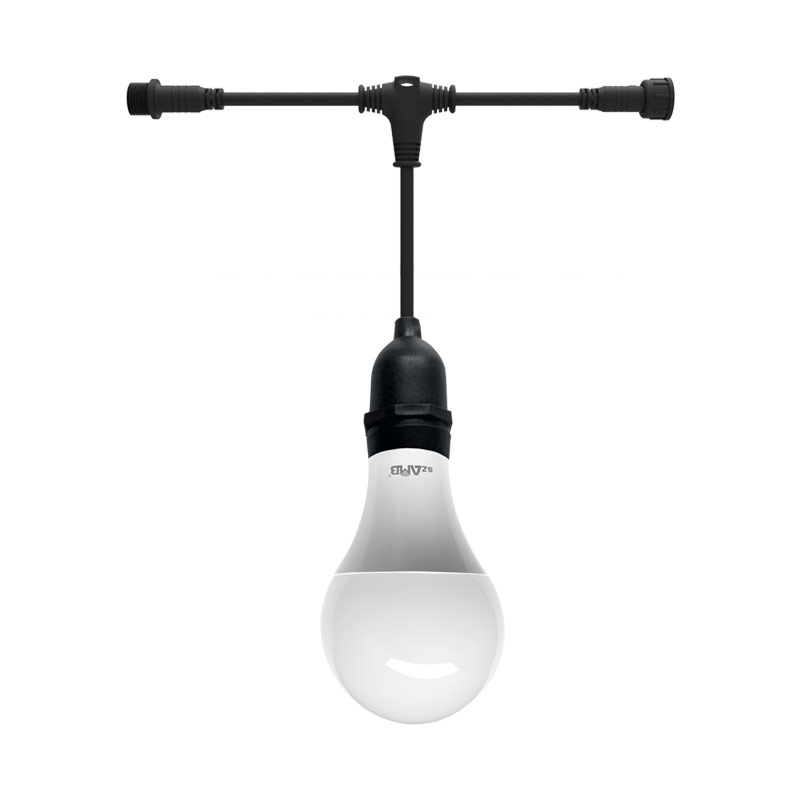
We’ve covered where to look, what commonly fails, and how to move toward better systems. If you adopt a steady checklist and insist on measurable metrics, your broiler houses will show it in uniformity and fewer surprises. For practical products and resources I’ve used, check out szAMB.

