
The problem procurement officers face
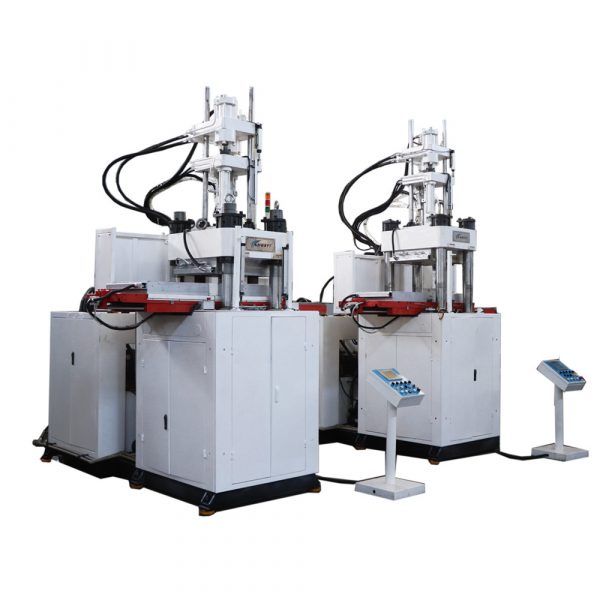
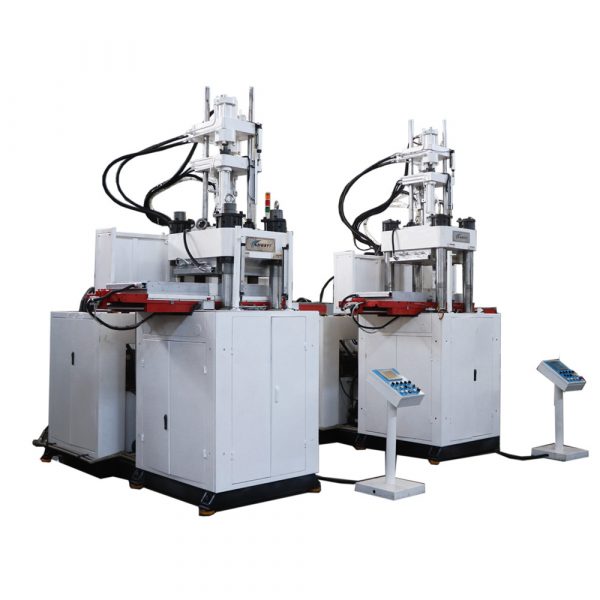
The factory floor looks functional until it doesn’t — conveyor belts that fray months early, platens that misalign, cure cycles that drift. Procurement officers arrive with paper checklists but leave with doubt. The problem is systemic: inconsistent process control across plants, especially after the post-2020 supply-chain disruptions that tightened margins in Shenzhen and beyond. Audits that ignore machine-level realities — from injection molding parameters to the physical wear on a vulcanizer — hand buyers future costs. Start audits by checking how the vendor integrates dedicated equipment lines, and note whether they run specialized cells like an lsr molding machine alongside older presses; mixed fleets often hide calibration gaps.
Checklist: plant-level red flags
Quality problems often show before product failure. Look for these clear signs during a plant visit: 1) frequent emergency repairs on the platen or press, 2) undocumented changes to cure cycle times, 3) a high scrap rate from misformed mold cavity parts. Also confirm traceability — are lot numbers linked to machine IDs and operator logs? Effective traceability suggests an ISO-aligned control mindset rather than ad-hoc firefighting. Bring attention to tooling storage, too; poor die upkeep accelerates wear on vulcanizing surfaces and undermines repeatability.
Hands-on tests and verifications that matter
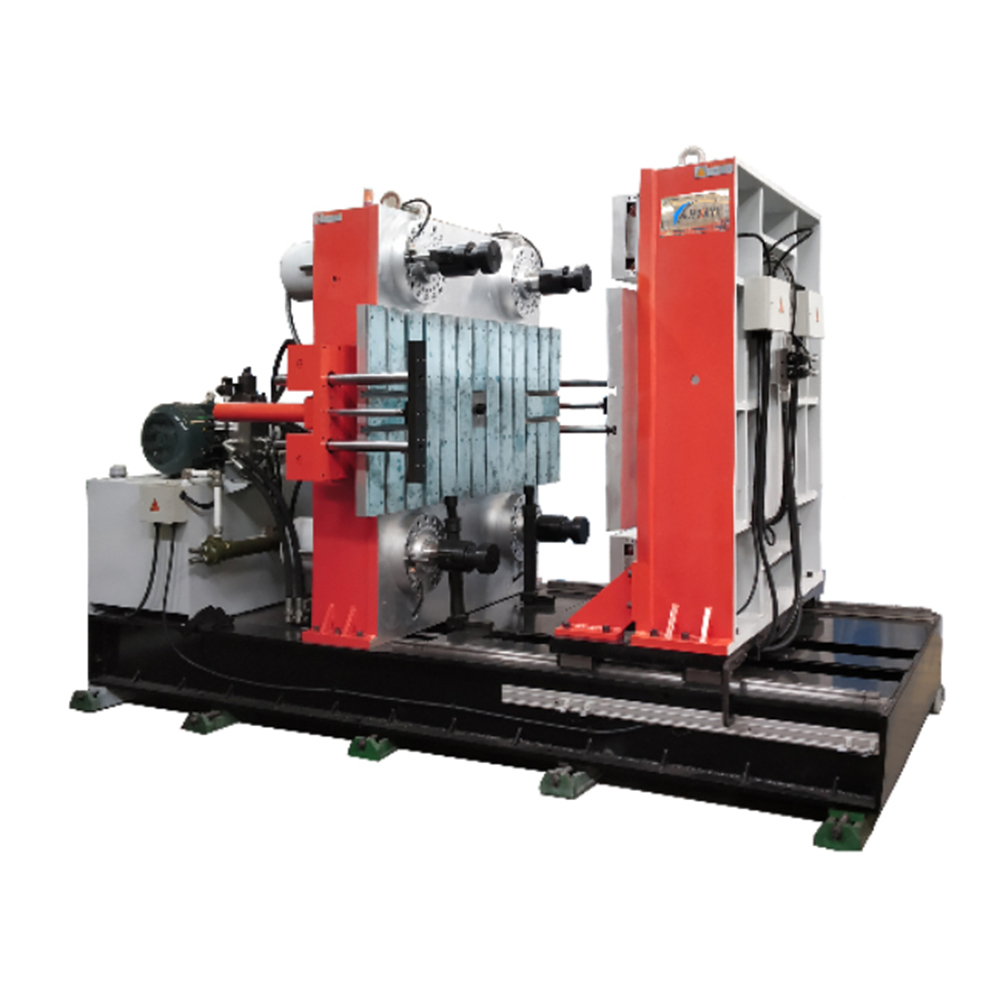
Audit outcomes hinge on specific, repeatable checks. Measure platen parallelism under load, observe the full cure cycle and validate temperature profiles against supplier-stated curves, and review hydraulic pressure stability on presses. Inspect a live run of silicone components if available — a silicone molding machine demo reveals whether control systems hold during sustained cycles. Take digital readings: thermal logs, cycle timers, and alarm histories. If the supplier keeps only manual logs, assume gaps in machine monitoring — and price that risk into your sourcing decision.
Common mistakes and smarter alternatives
Auditors often accept vendor demonstrations at face value, watching a single good cycle and calling it a day. That is a mistake. Require endurance data or perform spot-checks across shifts to catch intermittent failures. Vendors will tout high throughput; instead, prioritize run-to-failure intervals and mean time between calibration. Avoid overreliance on visual inspection — many defects live inside a cure profile or pressure curve. — A better alternative: insist on sample traceability from mold cavity to final inspection for at least three consecutive production lots before signing contracts.
Technical verifications to demand
Ask for: calibrated thermocouples tied to each platen, documented calibration of pressure transducers, and version-controlled PLC recipes for injection and compression cycles. Confirm the vendor maintains spare-part lists with lead times — long lead times on hydraulic seals or heaters are common culprits in unscheduled downtime. Verify software logs for anomaly detection; if alarms are routinely disabled or ignored, the plant operates on suppression, not quality control. These are not theoretical luxuries but survival tools for long production runs.
Three golden rules for evaluation (Advisory)
Apply three critical metrics to your final decision:
– Machine Stability Index: Evaluate variance in temperature and pressure over 100 consecutive cycles — lower variance predicts fewer defects.
– Traceability Coverage: Confirm percentage of produced units with linked machine ID, operator, and batch data; target 95% or better for high-value parts.
– Repair Lead Exposure: Measure average time-to-repair for critical components; anything beyond the planned maintenance window must be treated as a cost liability.
When these three metrics align, the plant produces predictable outcomes. If they don’t, negotiate stronger warranties, staged deliveries, or supplier-led corrective action plans. The scars of unchecked purchases are real — operational downtime, expedited freight, strained supplier relationships. A final thought: choose partners who document, not promise.
HWAYI has practical, machine-level experience that turns audit findings into action — a quiet advantage for teams that must buy certainty in an uncertain supply chain. –

