
Problem: Delamination in the Field
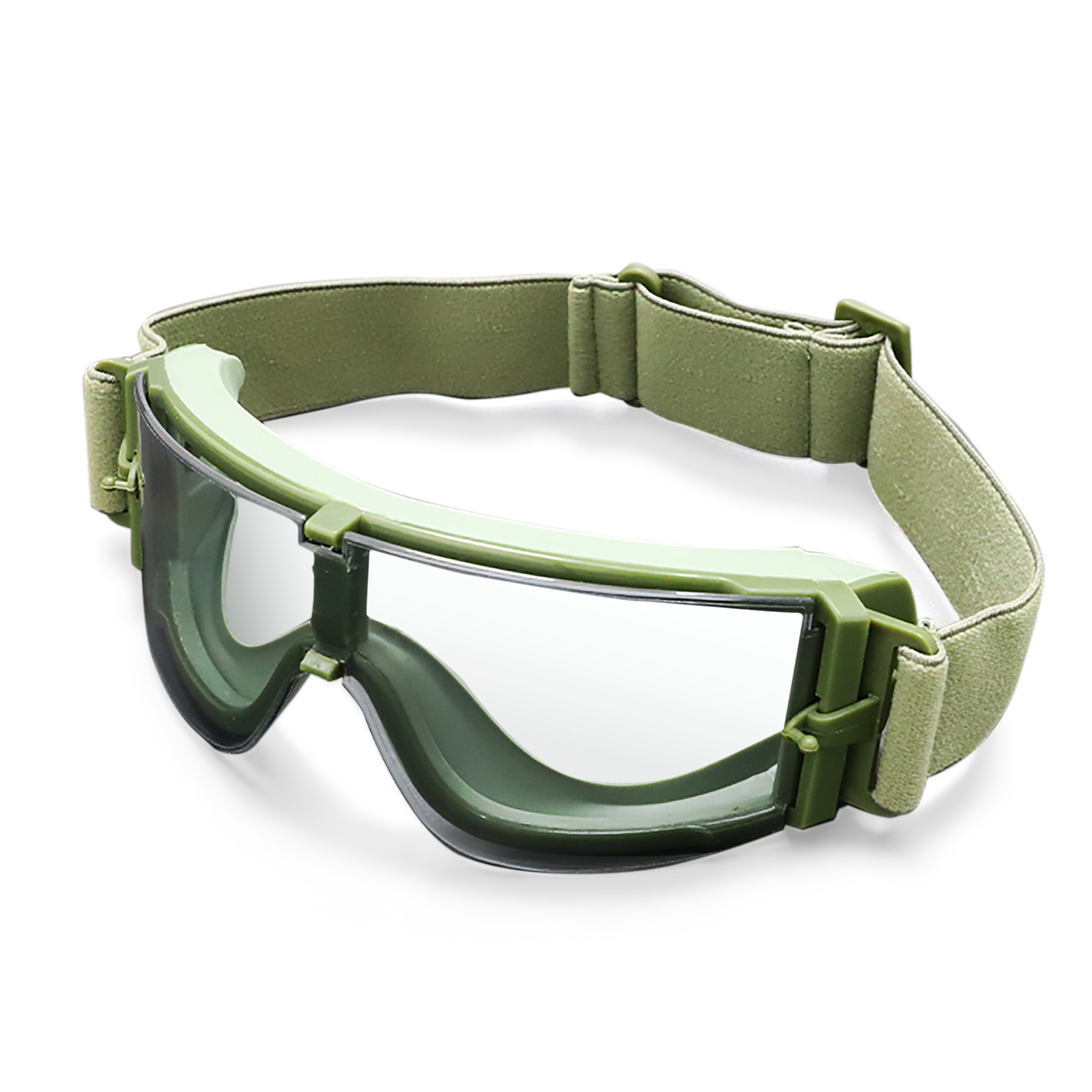
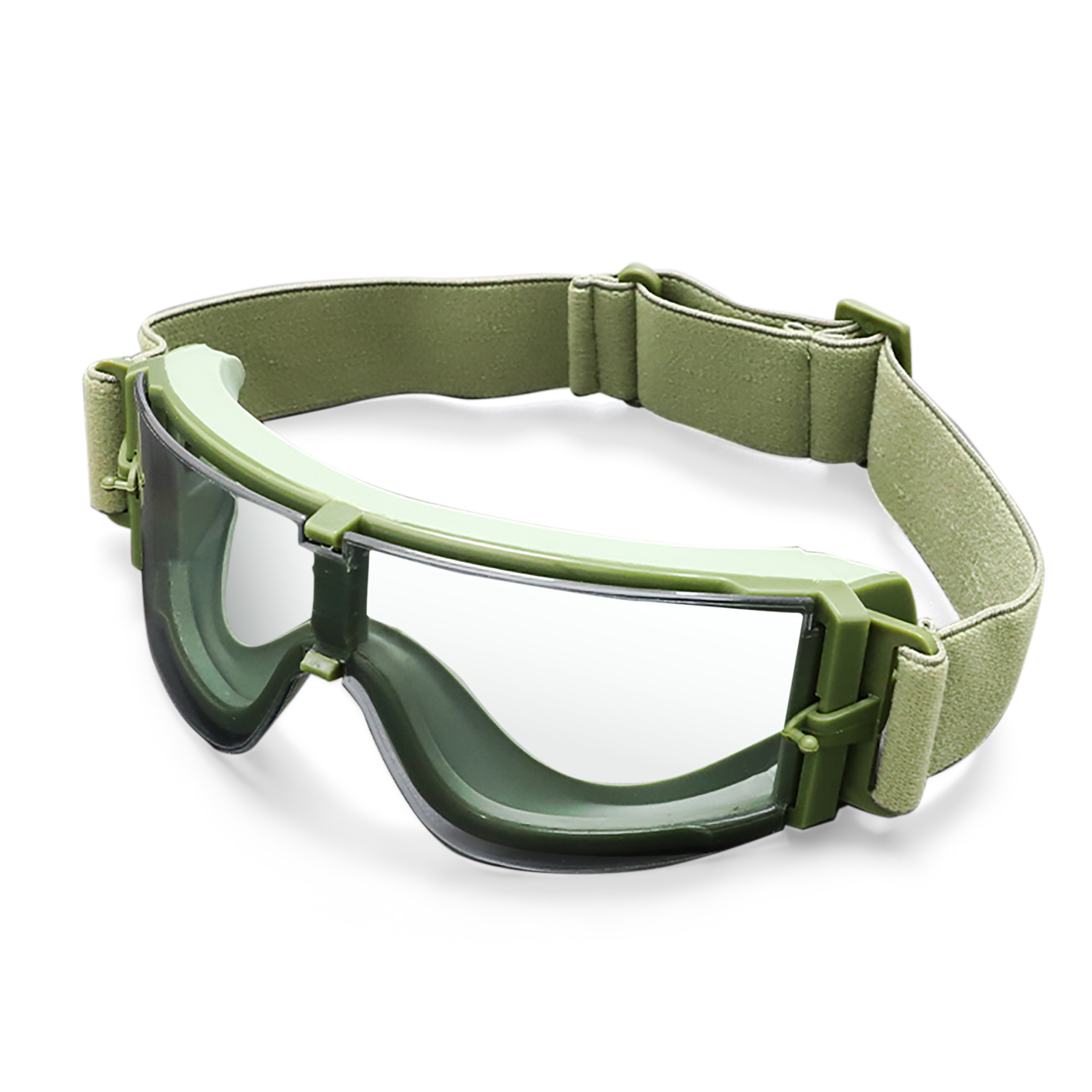
Bulk runs of shooting eyewear often fail at the foam-to-frame interface after a few weeks of use. That leads to complaints from range instructors and armories, and higher return rates for retailers. A practical fix has two fronts: materials and process control. The same anti-fog performance buyers expect—see anti-fog tactical goggles—depends on stable foam bonding, and quality specs such as ANSI Z87.1 mean nothing if the seal peels. Also worth noting: many customers search for fit and protection, so drop in the product context with Tactical Safety Goggles when you match foam, lens, and frame reliably.
Root Causes, Plain and Simple
First, mismatched materials. Closed-cell foam with high compression set glued to a flexible thermoplastic needs a compatible adhesive. Second, contamination—oils, release agents, or loose dust—break adhesion. Third, cure and tack control: too little open time and you get weak bonds; too much and you trap solvents that off-gas later. Finally, mechanical stress from repeated recoil or lens flex exposes weak interfaces. Use plain measurements: peel strength, shear strength, and visual inspection under a microscope to spot early failures.
Practical Fixes You Can Apply Today
Start by standardizing on foam densities by layer: a soft inner comfort layer, a medium middle for energy absorption, and a firmer outer layer for seal and form. Match adhesives: solvent-free polyurethane for flexibility, or cyanoacrylate for rapid tack on rigid frames—choose by frame polymer. Clean parts with isopropyl alcohol and a lint-free wipe right before bonding. Control ambient humidity and temperature; aim for a repeatable cure schedule rather than “by feel.” Include anti-fog coating compatibility checks if lens materials are polycarbonate to avoid chemical attack.
Equipment and Process Controls That Matter
Invest in a dot-dispense unit for adhesive placement to avoid overspray and inconsistent bead width. Jigs that hold foam under consistent pressure for the full cure prevent edge lifting. Use a handheld thickness gauge to verify foam compression and a pull tester for sample batches. Keep records: lot numbers for foam, adhesive batch, and cure times. These records make warranty calls less painful and speed troubleshooting.
Common Mistakes to Avoid
Avoid these traps: using high-VOC adhesives that smell strong but finish brittle; skipping primers because they add cost; and assuming ambient air drying will be consistent across shifts. Don’t mix foam rolls from different suppliers in the same production run—density and cell structure vary. Don’t forget ventilation paths; trapped moisture near the lens can reduce anti-fog coating life and promote delamination.
Quality Checklist for Wholesale Runs
Use this quick batch checklist before shipping:
– Verify foam layers match the approved sample (soft/medium/firm).
– Run peel and shear tests on 1% of units per lot.
– Confirm adhesive age and dispense calibration.
– Record environmental conditions during bonding and curing.
– Inspect finished seals for gaps and verify peripheral vision clearance with assembled samples.
Real-World Anchor and Why It Matters
Standards like ANSI Z87.1 set impact and optical clarity benchmarks, but field reports from range operators and workplace safety officers show that poor bonding causes more product failures than lens breakage. OSHA also flags eye protection as critical in many work environments, so consistently bonded foam matters for both comfort and compliance. This isn’t theoretical—shops that tightened process controls cut returns noticeably within two quarters.
Three Golden Rules (Advisory Close)
1. Measure, don’t guess: require documented peel and shear values for every supplier and adhesive change.
2. Control the environment: hold temperature, humidity, and cure time within narrow bands and log them.
3. Standardize materials: one foam supplier, one adhesive chemistry, one dispense method per SKU to reduce variance.
These rules cut rejects, improve end-user confidence, and let you scale without surprises. YIJIA Optical fits into that picture by offering consistent lens and frame pairs that simplify bonding decisions—reliable inputs make process control straightforward. —

