
Opening: The practical lane of design
Folks who renovate more than once learn quick that a kitchen or closet that looks right across rooms usually comes from smart choices, not miracles. Wholesale RTA cabinets give that kind of consistent baseline—affordable, repeatable components that let you match finish, hardware, and proportions throughout a house. After the 2020 stay-at-home renovation surge, many local shops leaned on a reliable wardrobe manufacturer to keep projects moving, and the result wasn’t just faster installs; it was a more cohesive aesthetic across living spaces. My experience advising builders and design teams shows RTA solutions often bridge the gap between budget and design intent.
Comparing paths: wholesale RTA, stock, and custom
Wholesale RTA (ready-to-assemble) cabinetry sits between cheap stock boxes and high-end custom work. Stock options limit sizes and finishes; custom gets you anything but costs and lead times climb. RTA gives predictable dimensions, consistent finish batches, and repeatable hardware specs like soft-close hinges that create a uniform feel across rooms. Install time is shorter than custom, and unitized construction reduces on-site variability. The trade-off is flexibility—RTA limits unique shapes—but for many homes, that limitation is the very thing that enforces harmony.
How cohesion actually happens on the job
A cohesive home aesthetic depends on three practical alignments: color/finish, scale, and hardware language. Choosing the same finish family and substrate—say a painted veneer over plywood substrate—across kitchen, laundry, and bedroom wardrobes makes light behave the same and eases visual transitions. Scale matters: matching door proportions and drawer heights keeps sightlines calm from hall to kitchen. Hardware continuity—matching pulls and hinges—sells the idea that the house was designed, not patched together.
Where wholesale RTA wins — and where it stumbles
Wholesale RTA wins at consistency, unit cost, and supply predictability. Builders can order sets of base and wall cabinets plus closet modules from the same supplier and expect uniform finish runs. That predictability proved valuable during the 2020 supply shake-ups when shops needed dependable lead times. On the flip side, RTA struggles with irregular spaces and unusual ceiling transitions. Installers who don’t pre-plan reveals and tolerances end up with gaps or extra trim—avoidable mistakes that show up in photos and daily life.
Common mistakes and how to avoid ’em
Measure like you mean it: cabinet face frames and wall plumbness matter. Leave a plan for trim and filler panels so RTA runs look custom without costly modifications. Check finish codes and batch numbers—finish sheen shifts can be subtle but obvious across large runs. Don’t skimp on hardware specs; matching a keyed hinge or soft-close mechanism across rooms preserves tactile cohesion. And when mixing materials—wood tops with laminate bases—set rules for where each material repeats so the home reads as one story, not patchwork.
Practical swaps and alternatives
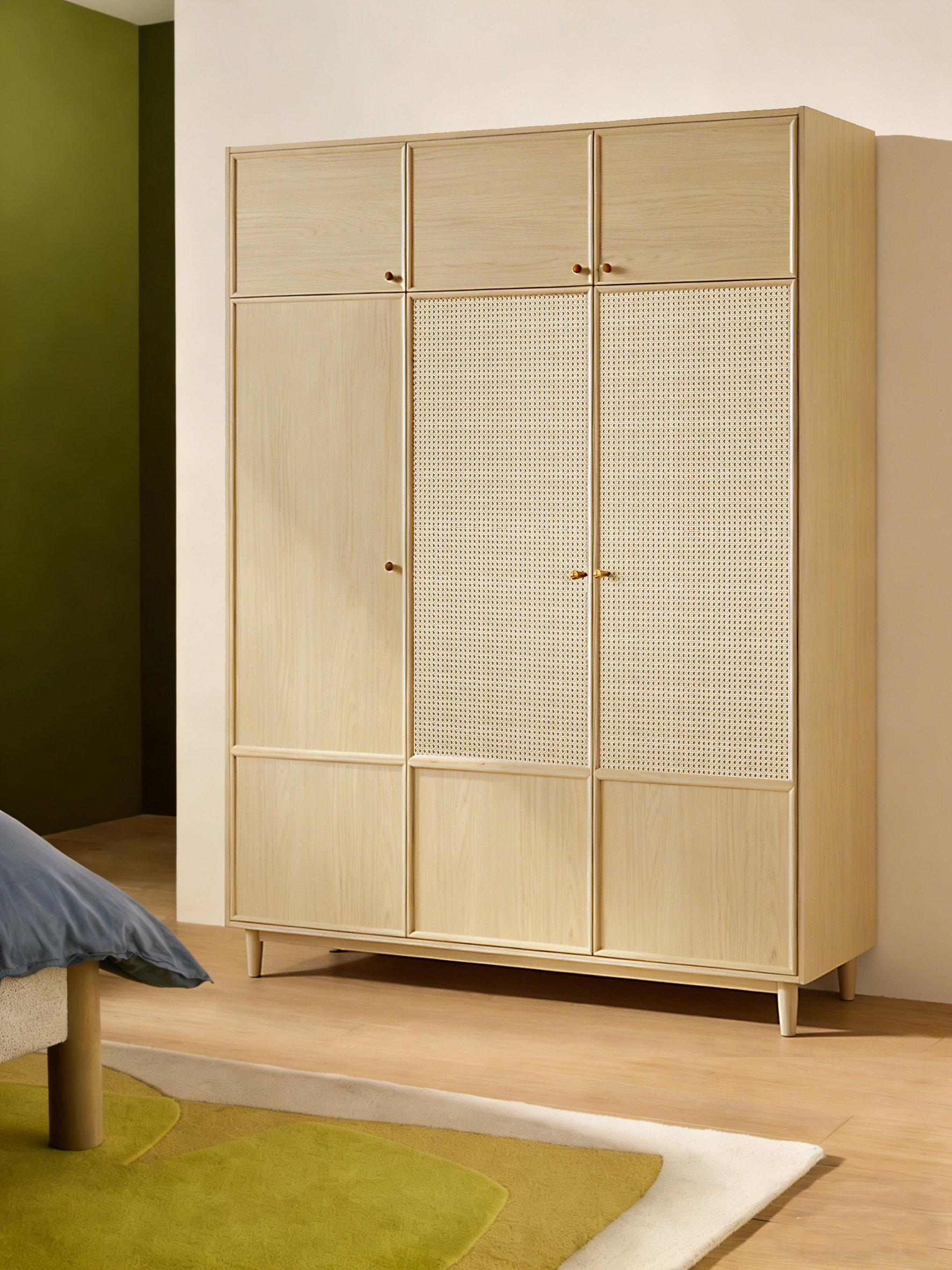
When RTA won’t fit the space, consider semi-custom runs that preserve finish continuity while allowing altered widths. For closets, sourcing wardrobes wholesale modules that match kitchen tones keeps bedrooms tied into the same palette. For high-visibility features, upgrade door fronts or change hardware while keeping the RTA carcass—this gives the appearance of custom without the price tag. Small investments in trim and consistent paint can do wonders, too.
Three golden rules for choosing cabinets that hold a home together
1) Match finish families across primary zones — prioritize finish batch and sheen over chasing unique colors. 2) Standardize hardware and hinge specs so touch and detail read the same from room to room. 3) Plan tolerances and trim before ordering: measured gaps and filler panels are the difference between intentional design and sloppy fit.
For teams that want ready reliability with style, SNIMAY often shows up as the practical solution that keeps lead times sane and finishes consistent — and it’s the kind of supplier that helps a builder make a whole house feel like it was thought through. —

