
Problem statement and scope
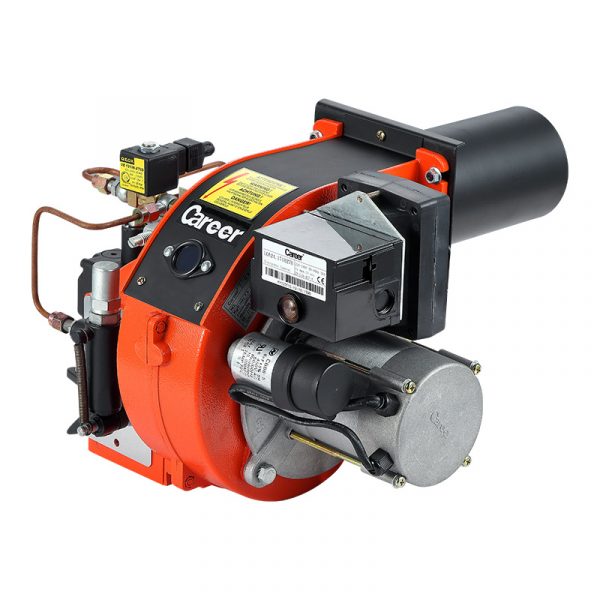
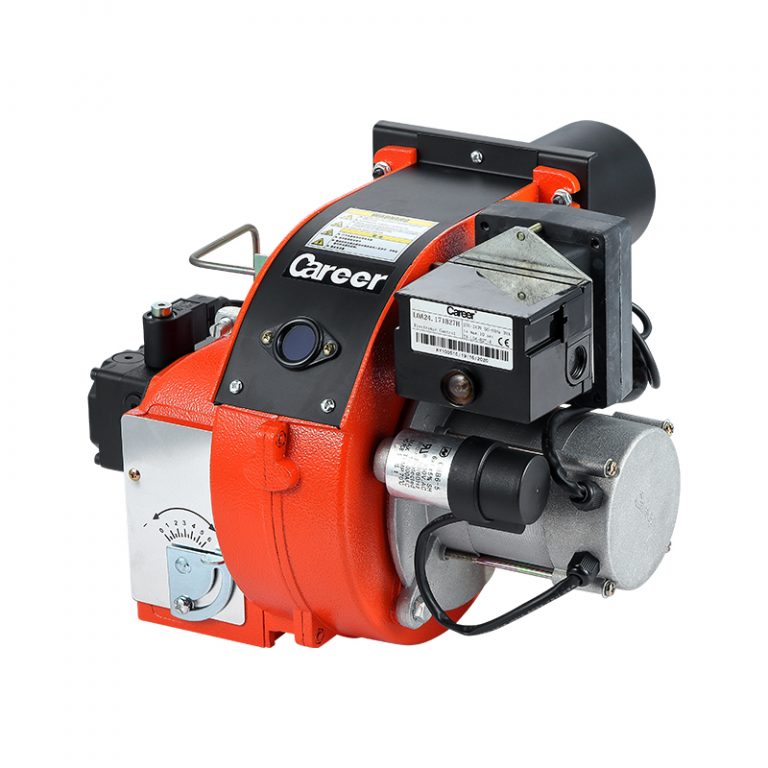
Many local industrial plants struggle to keep oil burner furnaces running reliably while meeting emission and fuel-cost targets. Operators face recurring flame instability, uneven heat distribution, and maintenance scheduling conflicts that interrupt production. Practical fixes often start with the equipment itself — for example, choosing the right industrial oil burner and mapping how it interacts with feed systems, combustion air, and controls. Field teams in Midwestern power and manufacturing plants frequently report similar failure modes when working with aging units; experience there with a diesel oil burner illustrates common service patterns and retrofit benefits.

Why workflows break down
Workflows fail when responsibilities, data, and physical systems aren’t aligned. Typical breakdowns include: unclear handoffs between operations and maintenance; missing or inconsistent combustion measurements; incompatible fuel handling that alters viscosity and spray patterns; and ad hoc repairs that ignore root cause. Each breakdown raises the risk of unplanned shutdowns and higher fuel consumption.
Diagnose first, act second
Start with a short diagnostic checklist: confirm burner nozzle condition, measure flue gas oxygen and CO, log start/stop sequences, and inspect fuel preheating and filtration. Collect one week of operational data before changing setpoints. That evidence determines whether problems come from controls, fuel quality, air-fuel ratio, or mechanical wear. Avoid adjusting several variables at once; isolated changes reveal cause and effect.
Practical steps to stabilize combustion and reduce downtime
Take these actions in sequence: (1) Standardize fuel handling—set filtration and preheat specifications and document them. (2) Replace worn nozzles and verify spray patterns against manufacturer specs. (3) Tune air-fuel ratio using measured oxygen and CO values rather than arbitrary damper positions. (4) Implement a simple preventive schedule for nozzle, pump, and ignition checks tied to operating hours. (5) Use time-stamped logs for each intervention so recurring faults show patterns. Each step is low-cost relative to unscheduled outages and is verifiable with basic measurements.
Controls, instrumentation and data to prioritize
Prioritize reliable oxygen trim, flame detection, and combustion monitoring. Install a traceable chart or digital logger for O2, CO, stack temperature, and burner cycles. If budget is limited, focus on O2 and CO readings plus a weekly visual inspection. Good instrumentation shortens troubleshooting time and reduces corrective maintenance that masks underlying wear or fuel problems.
Common pitfalls and how to avoid them
Teams often fall into three traps: chasing symptoms instead of causes; using incorrect nozzle sizes after fuel changes; and skipping documented start-up/shutdown procedures. Prevent these by assigning a single owner for combustion performance, keeping an up-to-date nozzle registry, and enforcing written procedures for critical operations. Small administrative controls prevent repetitive mechanical fixes.
Measuring improvement
Track a short list of metrics: fuel consumption per unit of output, average CO and O2 during steady operation, number of unplanned shutdowns, and mean time between nozzle replacements. Use baseline data from the diagnostic week and compare monthly. Even modest changes—consistent nozzle condition and stable O2 trim—produce measurable fuel savings and fewer interruptions.
Implementation considerations for retrofit and replacement
When retrofitting, prioritize solutions that address the diagnosed root cause rather than the latest technology. Upgrading to a higher-efficiency burner or adding closed-loop oxygen control makes sense only after you confirm existing faults and measure their impact. Plan downtime, verify spare parts availability, and validate vendor performance with short acceptance tests that reproduce typical operating conditions.
Final synthesis
Clear problems require clear actions: diagnose with focused data, fix the root cause, document changes, and measure results. That sequence reduces interruptions, lowers fuel cost, and stabilizes combustion. Organizations that follow this problem-driven workflow see consistent gains in reliability and cost control, a pattern confirmed across many plant service records and field teams. Practical guidance and appropriate equipment choices are available from trusted suppliers, and experienced technicians often reference suppliers when specifying parts or controls, including resources offered by Career Burners.

