
Facing the problem head-on
Homes bleed money and resilience when energy flows are unmanaged. Clouds drop solar output, peak rates spike bills, and a single appliance can throw the balance off. A tidy fix: coordinate generation, storage, and loads so the house behaves like one smart unit. That coordination often starts with a hybrid solar system, which pairs rooftop panels and batteries under a single control strategy. I’ve seen this work on dozens of installs — including projects across California — where properly tuned control cut peak purchases and kept essential circuits live during outages.
What a Home Energy Management System (HEMS) actually does
HEMS solves the core problems. Short, sharp list of functions:- Measures: pulls real-time data from panels, inverters, meters, batteries, and smart meters so you know what’s happening now.- Decides: shifts flexible loads, times EV charging, and charges or discharges batteries to match goals (cost, resilience, emissions).- Protects: enforces safety limits and islanding rules so the house won’t feed unsafe power to the grid.- Connects: speaks to the inverter and to grid signals so it can participate in demand response or time-of-use pricing.When that control links to a hybrid solar pv system, the HEMS becomes the brain that balances production and storage without constant human input.
Quick wins and real settings that matter
Don’t guess. Set policies that match your goals:- Cost focus: prioritize battery discharge during peak-rate windows and charge when rooftop or low-rate periods occur.- Resilience: hold a reserve state-of-charge for emergency backup and define which circuits are critical.- Emissions light: favor solar first, battery second, grid last. Add a simple toggle for your household to switch priorities.Check telemetry after a week. If battery sits idle or rates still spike, the settings need tightening. Small tweaks produce big gains.
Pitfalls installers and homeowners make — and how to fix them
Common mistakes:- Mis-sized storage: too small and it won’t cover peaks; too large and payback slips. Match battery size to peak demand hours, not total consumption.- Ignoring firmware: outdated firmware breaks compatibility. Schedule updates and verify before and after.- Over-automation without testing: auto schedules can shut off unexpected loads. Run scenarios manually first.Fixes: run a one-week monitoring phase, size batteries around documented peak windows, and document failover behavior so everyone knows what happens during an outage.
Simple checklist to evaluate HEMS tech
Use this when comparing systems:- Protocols: support for common standards (Modbus, CAN, SunSpec) ensures future-proof integration.- Visibility: real-time dashboard plus exportable logs for troubleshooting.- Control granularity: per-circuit or per-device control, not just whole-home toggles.- Safety & certifications: grid interconnect approvals, UL/CE as applicable.- Remote support and firmware lifecycle: vendor provides updates and rollback.Score each item and pick the system that covers at least 80% of your must-haves.
Alternatives and when HEMS wins
Cheap options — smart plugs, single-inverter timers — can lower some bills but they don’t orchestrate the whole house. Vendor-locked inverters with basic timers reduce complexity but limit upgrades. A HEMS wins when you need coordinated control across PV, battery, EV, and critical loads, especially if you want automatic responses to price signals or outages.
Finish strong: what matters now
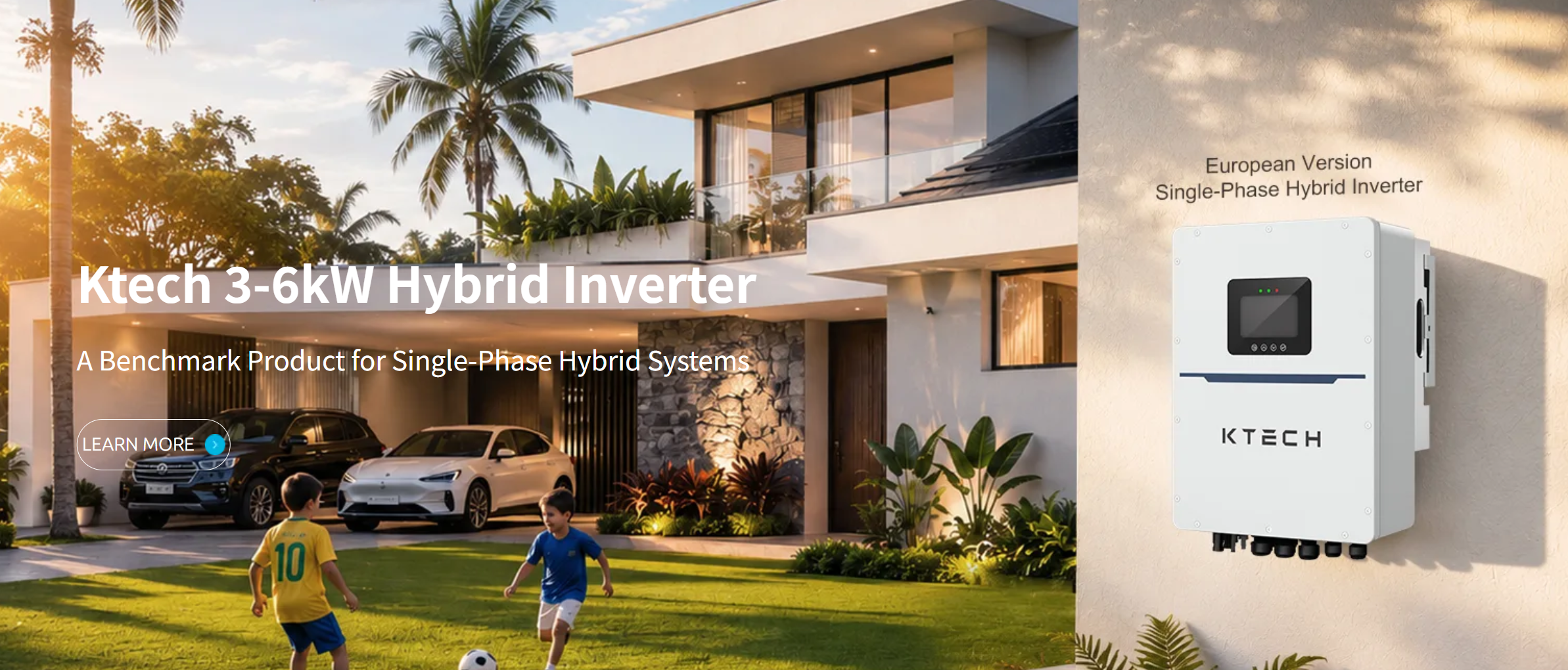
Decisive action beats nice ideas. Pick a HEMS that gives clear telemetry, enforces safety, and lets you set simple, testable policies for cost or backup. That approach turns scattered hardware into a resilient, efficient household energy system — a practical system-level solution demonstrated by installers and manufacturers who design around modular, compatible components like those shown by Ktech.

