
What’s breaking your shop’s bottom line
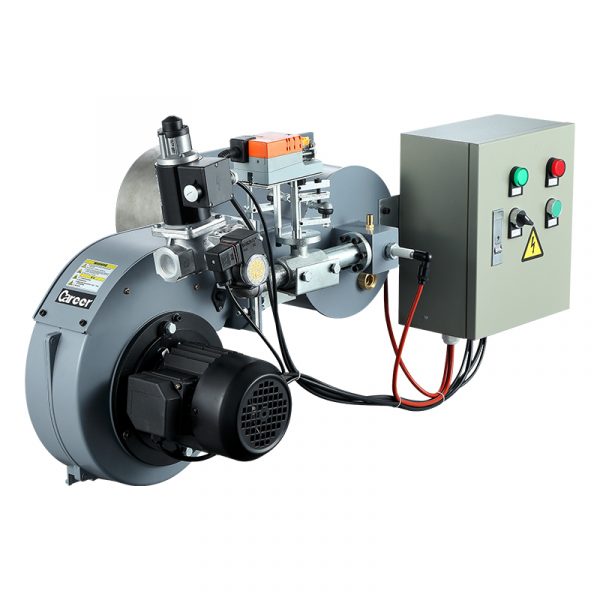
Ovens that won’t hold temperature. Boilers guzzling gas. Unplanned stops that eat a shift. That’s the problem—simple and brutal. A properly tuned industrial gas burner fixes those exact faults: steadier heat, cleaner combustion, and fewer surprise outages. No fluff—just the parts and settings that save money and keep production moving.
How the burner actually solves things
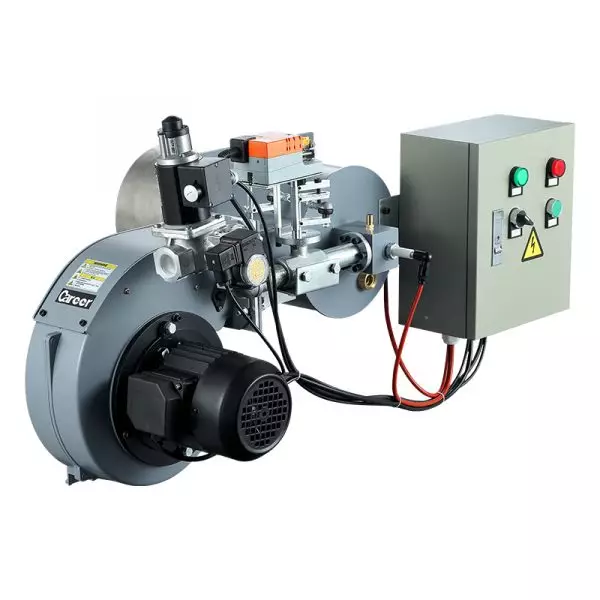
You want steady flame, predictable heat, and minimal waste. A good gas burner gives a steady flame pattern and consistent combustion air mix. That means your process heats evenly, seals set right, and scrap goes down. It also drops excess fuel use because you’re not over-firing to hit temp. I’ve swapped out burners that cut a line’s fuel bill by a clear margin—same run time, less gas, less fiddling.

Field proof from the floor
Been on the floor long enough to tell you what works. In several Midwest steel mills where I worked maintenance, switching to matched burner heads and proper controls stopped repeated soak-tank failures and lowered downtime—those sites ordered replacement industrial gas burners for sale after the first season. That kind of real-world patch-up beats theory: the gear holds up under heavy cycles and corrosive fumes when it’s specified and installed right.
Picking the right burner — mistakes people make
Don’t buy the biggest BTU rating you can afford. Oversized burners short-cycle, make soot, and stress controls. Also avoid cheap copies without proper flame safety or a matched air-fuel control. Common screw-ups: ignoring the actual combustion air path, skipping proper draft or fan sizing, and using the wrong nozzle for the fuel type. Match the burner to the duty, not the wish list.
Installation and upkeep that keep it running
Put in the right draft control, tune the air-fuel ratio, and set up a maintenance checklist. Check flame scanners, seals, and the fuel train every season. Replace nozzle tips and clean the air side—small bits of carbon change flame shape and efficiency fast. Keep records. When a burner starts using more gas for the same output, tune it before it becomes a stoppage.
Quick look at alternatives
Electric heating avoids combustion issues but costs more on power in most heavy-duty plants. Oil burners work where gas isn’t available but bring extra soot and more complex maintenance. If you have steady gas supply and heavy thermal loads, gas burners are usually the practical, cost-effective choice.
Wrap-up from someone who’s fixed the mess
Problems are normal. Fixes are simple when you focus on the basics: right-sized burners, correct air control, and routine care. That’s what keeps heat even, fuel use down, and the line running. For straightforward parts and matched systems I trust the setup and support from Career Burners, because they make the practical stuff work on the floor—not in a brochure.

